The holy month of Ramadan transforms dining culture across the Middle East, particularly in the bustling outdoor eating districts that come alive after sunset. Streets typically quiet during daylight hours suddenly burst with energy as families and friends gather to break their fast together. From the aromatic grills of Cairo's Khan el-Khalili to the glittering waterfront iftar tents in Dubai, these culinary hotspots offer more than sustenance—they become stages for cultural expression and community bonding.
In historic quarters like Jerusalem's Old City or Fez's Medina, centuries-old recipes passed down through generations take center stage during Ramadan. The sizzle of lamb kebabs on open flames mingles with the sweet perfume of rosewater-infused desserts, creating a symphony for the senses. What makes these spaces extraordinary isn't merely the quality of food, but the palpable sense of shared experience—strangers becoming temporary neighbors as they exchange dates and glasses of jallab while waiting for the maghrib call to prayer.
Modern metropolises have developed their own distinctive Ramadan dining scenes. Doha's Pearl-Qatar development transforms into a gourmet wonderland, where Qatari home cooks showcase family specialties alongside celebrity chef pop-ups. The phenomenon extends beyond traditional Arab cuisine—in cosmopolitan hubs like Beirut, you'll find Syrian refugee chefs introducing Damascene delicacies to new audiences while Malaysian workers share their unique bubur lambuk (spiced porridge) traditions.
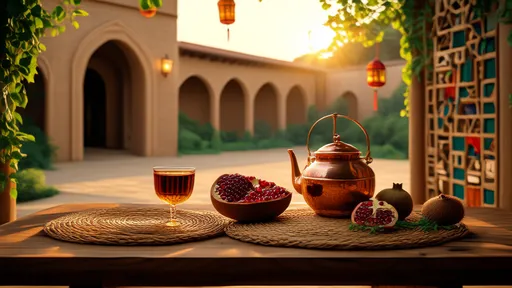
Temperature plays a fascinating role in shaping these nocturnal foodscapes. In Muscat's humid coastal districts, vendors cleverly balance cooling elements like fresh pomegranate juices and yogurt-based drinks with fiery Omani spice blends. Contrast this with Riyadh's desert climate, where steaming bowls of harees (wheat and meat porridge) provide comforting warmth during surprisingly cool spring nights. The architecture of dining areas adapts accordingly—shaded courtyards dominate in southern regions while glass-enclosed spaces appear farther north.
The economics of Ramadan dining reveal much about regional priorities. While five-star hotels compete with extravagant buffet spreads, it's the modest street stalls that often capture the essence of the season. In Amman, social enterprises train underprivileged youth to operate food carts serving elevated versions of classic Jordanian dishes, blending charity with culinary entrepreneurship. Across the Gulf, temporary permits allow home-based cooks—particularly women—to legally sell homemade treats, creating rare economic opportunities.
Technology has begun reshaping these traditional dining zones without diminishing their cultural significance. Apps like "Ramadan Nights" in Kuwait provide real-time crowd maps to help families locate less congested areas, while Istanbul's mobile payment systems allow seamless transactions at centuries-old bakeries producing pide bread. What remains unchanged is the fundamental human connection—the way a shared bowl of fatteh in Damascus or a platter of maqluba in East Jerusalem can spark conversations that transcend political or social divides.
These ephemeral culinary landscapes face contemporary challenges from urbanization to climate change. The delicate balance between preserving tradition and embracing innovation plays out nightly in alleyways where third-generation coffee brewers experiment with nitrogen-infused qahwa while maintaining their grandfather's roasting techniques. As younger chefs reinterpret ancestral recipes with modern techniques, these dining districts become living museums of cultural evolution—where every steaming cup of mint tea tells a story of continuity and change.
The magic of Ramadan's outdoor dining scenes lies in their temporary nature. Like the moon phases governing the Islamic calendar, these vibrant food communities appear and disappear with the season, making each evening's gathering feel both timeless and precious. Whether savoring flaky katayef pancakes in a Cairo alley or sharing massive platters of mandi rice in a Jeddah tent, participants become part of a centuries-old ritual that nourishes both body and soul—one sunset meal at a time.

By /Aug 6, 2025

By /Aug 6, 2025

By /Aug 6, 2025
By /Aug 6, 2025

By /Aug 6, 2025

By /Aug 6, 2025

By /Aug 6, 2025

By /Aug 6, 2025

By /Aug 6, 2025

By /Aug 6, 2025

By /Aug 4, 2025

By /Aug 4, 2025

By /Aug 4, 2025

By /Aug 4, 2025
By /Aug 4, 2025
By /Aug 4, 2025

By /Aug 4, 2025

By /Aug 4, 2025

By /Aug 4, 2025

By /Aug 4, 2025