The intricate and vibrant culture of Thailand is deeply intertwined with its spiritual practices, and nowhere is this more evident than in the traditional attire worn within its sacred temples. Among the most fascinating aspects of Thai temple customs is the art of wrapping cloth, known as Phanung or Sabai, which holds both religious and cultural significance. The way fabric is draped and folded speaks volumes about the wearer’s respect for the sanctity of the space, as well as their adherence to centuries-old traditions. Understanding these garments is not merely about fashion—it’s a window into the soul of Thai Buddhism.
In Thailand, temples, or wats, are not just places of worship but also centers of community life. Visitors, whether locals or foreigners, are expected to dress modestly as a sign of reverence. For women, this often involves wearing a phasin, a tubular skirt wrapped around the waist, paired with a sabai, a shawl-like garment draped over the shoulder. Men, on the other hand, may wear a phanung, a rectangular cloth tied around the waist like a sarong, often complemented by a button-up shirt. The precise manner of wrapping these fabrics is crucial—too loose, and it may be deemed disrespectful; too tight, and it becomes impractical for the tropical climate.
The sabai, in particular, carries a rich history. Originally worn by Thai nobility, it has evolved into a symbol of grace and humility within temple grounds. The cloth is typically made of silk or fine cotton, adorned with delicate patterns that reflect regional craftsmanship. When worn, one end is draped over the left shoulder, while the other is wrapped around the torso and secured at the waist. This style not only ensures modesty but also allows for ease of movement during rituals. For monks, the sabai takes on an even more sacred role, often used to cover the upper body during ceremonies.
Meanwhile, the phanung is a versatile garment that transcends gender. Its wrapping technique varies slightly between men and women, but the underlying principle remains the same: the cloth must cover the knees as a mark of respect. For women, the phanung is often pleated at the front and secured with a knot, while men fold it flat and tuck the ends tightly. In some temples, particularly those in northern Thailand, the phanung may feature intricate embroidery or gold thread, signaling the wearer’s connection to the local heritage.
Beyond its aesthetic appeal, the act of wrapping cloth in Thai temples is a meditative practice. Each fold and tuck is performed with mindfulness, mirroring the discipline required in Buddhist teachings. For visitors, learning to wear these garments correctly is a way to immerse themselves in Thai culture while showing deference to the spiritual environment. Temple attendants often assist newcomers, guiding them through the process with patience and warmth. This interaction itself becomes a lesson in humility and gratitude.
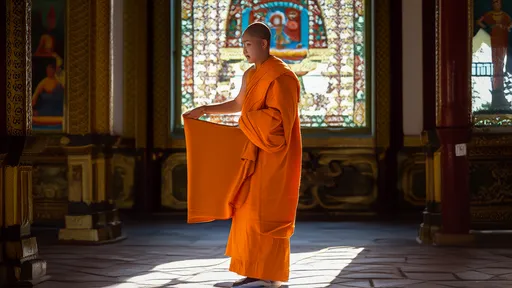
Interestingly, the colors of these garments also hold symbolic meaning. White is commonly worn during funerary rites, while bright hues like gold and saffron are reserved for festive occasions. Monks, who don the iconic orange robes, represent the highest ideals of simplicity and detachment. Laypeople, by contrast, may choose fabrics in muted tones to avoid drawing attention away from the sacred space. The choice of color and fabric is never arbitrary—it reflects a deep understanding of the temple’s rhythms and rituals.
In recent years, there has been a growing awareness of the cultural importance of proper temple attire. Many Thai temples now provide rental wraps for visitors who arrive unprepared, ensuring that everyone can participate respectfully. However, for those who wish to embrace the tradition fully, purchasing a handmade phasin or phanung from local artisans is a meaningful way to support traditional crafts. These garments, often passed down through generations, carry stories of devotion and artistry.
The next time you step into a Thai temple, take a moment to appreciate the elegance of the wrapped cloth around you. Notice how the folds catch the light, how the fabrics sway with each bow and prayer. These garments are more than just dress codes—they are living expressions of a culture that values harmony, respect, and spiritual depth. Whether you’re a traveler or a devotee, wearing them correctly is a small but profound way to honor the sacredness of the space.

By /Aug 6, 2025

By /Aug 6, 2025

By /Aug 6, 2025

By /Aug 6, 2025

By /Aug 6, 2025

By /Aug 6, 2025

By /Aug 6, 2025

By /Aug 6, 2025

By /Aug 6, 2025

By /Aug 6, 2025

By /Aug 4, 2025

By /Aug 4, 2025

By /Aug 4, 2025

By /Aug 4, 2025
By /Aug 4, 2025
By /Aug 4, 2025
By /Aug 4, 2025

By /Aug 4, 2025

By /Aug 4, 2025

By /Aug 4, 2025